5 Common Myths About Learning Piano Debunked


Myth 1: Learning Piano Requires Natural Talent
One of the most pervasive myths about learning the piano is that you need to be born with a natural talent. Many people believe that if you don't possess an innate musical ability, you can't become proficient. However, this couldn't be further from the truth. While some individuals may have a knack for music, learning the piano is a skill that can be developed with practice and dedication.
The key to mastering the piano is consistent practice and a willingness to learn. With the right guidance and determination, anyone can make significant progress, regardless of their starting point.

Myth 2: You Need to Start Young
Another common misconception is that you must start learning the piano at a young age to be successful. While it's true that many famous pianists began playing as children, adults can also learn and excel at the instrument. In fact, adult learners often bring a level of focus and motivation that can lead to rapid progress.
Starting at an older age can provide unique advantages, such as a better understanding of music theory and a more mature approach to practice. It's never too late to start, and many adults find great joy and satisfaction in learning to play the piano.
Myth 3: You Must Learn Classical Music First
Many beginners believe they need to start with classical music to learn the piano properly. While classical music offers a solid foundation, it's not the only path. Learning to play pieces you enjoy, whether they are pop, jazz, or blues, can be just as effective and motivating.
Choosing music that resonates with you can make practice more enjoyable and keep you engaged. A well-rounded approach that includes various styles can enhance your skills and broaden your musical horizons.
Myth 4: Reading Sheet Music is a Must
The ability to read sheet music is often seen as essential for learning the piano, but it's not the only way to play. Many successful musicians play by ear or use alternative notation systems. While reading music can be beneficial, it's not a strict requirement.
Developing the ability to play by ear or using chord charts can provide a sense of freedom and creativity. These skills can complement traditional sheet music reading and offer a more holistic approach to learning the piano.
Myth 5: Piano Lessons Are Expensive and Inflexible
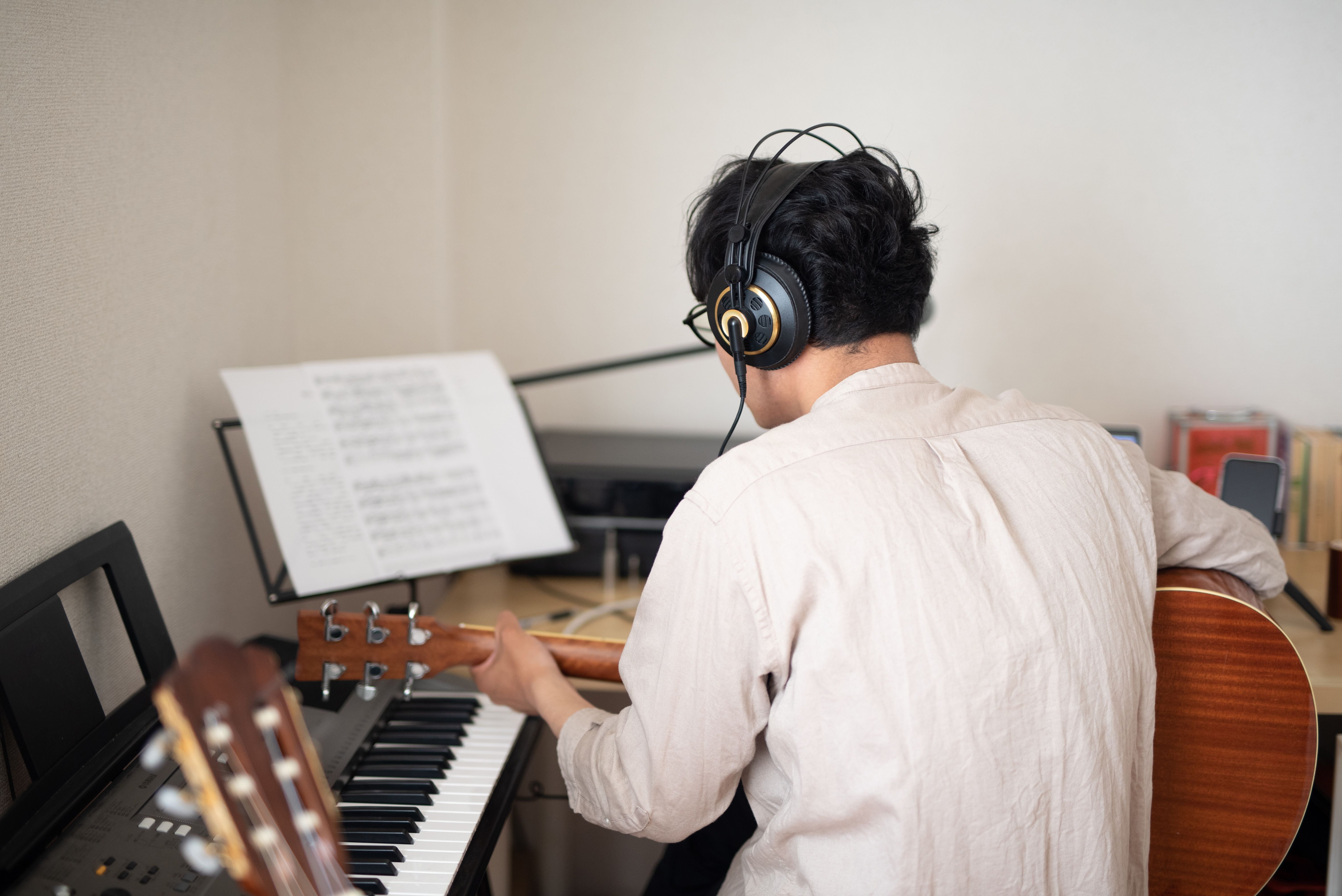
Some people shy away from learning the piano because they believe lessons are costly and require a rigid schedule. However, there are many affordable options available today, including online courses, group classes, and video tutorials.
Modern technology allows for flexible learning at your own pace. Whether you prefer one-on-one instruction or self-guided learning, there's a method to suit every budget and lifestyle.
In conclusion, these myths about learning the piano can discourage potential learners, but understanding the reality can open doors to a fulfilling musical journey. With the right mindset and resources, anyone can enjoy the joy of playing the piano.