Common Misconceptions About Learning Piano: What Every Sydney Student Should Know


Introduction to Piano Learning Myths
Learning to play the piano is a rewarding journey, but many students in Sydney are held back by common misconceptions. These myths can discourage beginners or lead them to abandon their musical aspirations. Let's debunk these myths and set you on the right path.
Myth 1: You Must Start Young
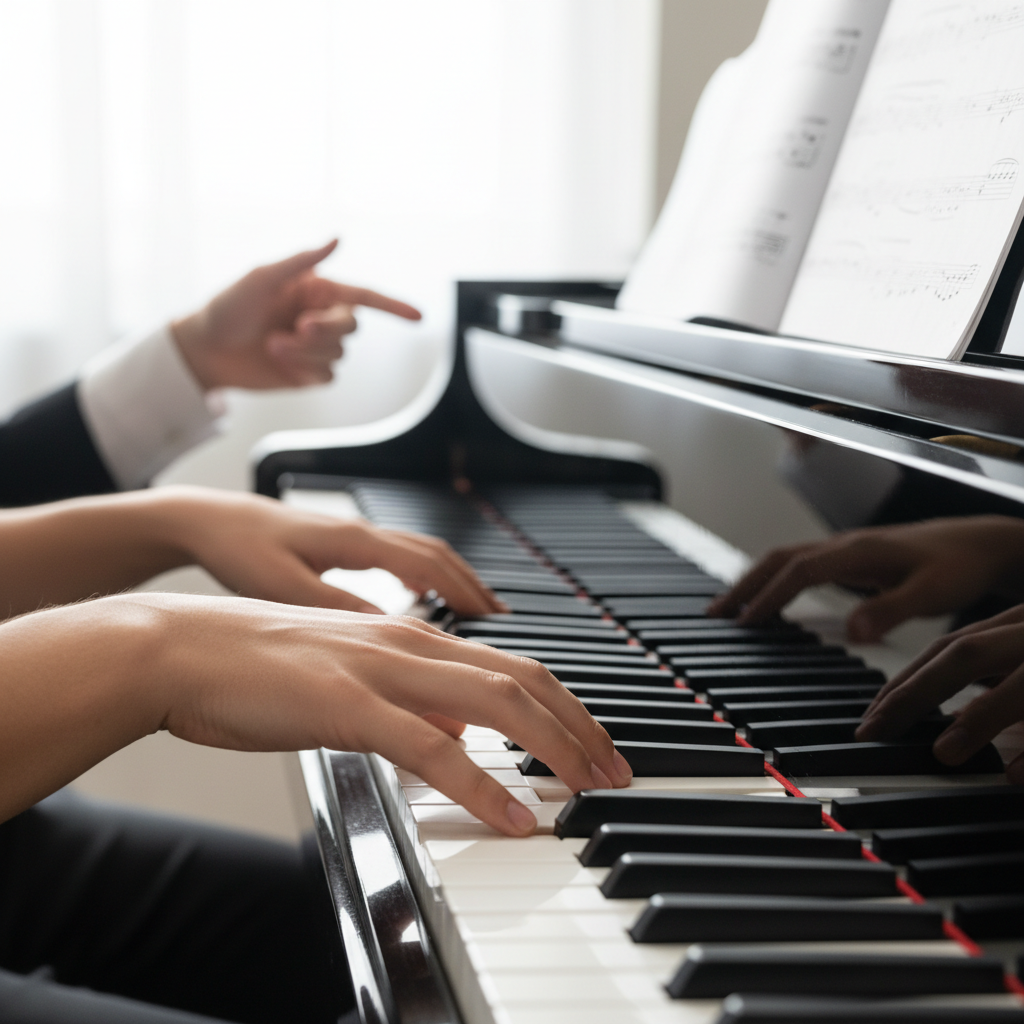
A widespread belief is that piano students need to begin at a very young age. While it's true that children often learn quickly, adults can also become proficient pianists. In fact, adults often have better focus and determination, making them excellent learners.
Whether you're eight or eighty, the piano can be a wonderful instrument to learn. The key is consistent practice and a passion for music.
Myth 2: You Need to Have Natural Talent
Another common misconception is that you need to be naturally talented to succeed at playing the piano. While some people may have an innate musical ability, most skills are developed through practice and dedication. Talent can be beneficial, but it's not a necessity.
Understanding the Learning Process
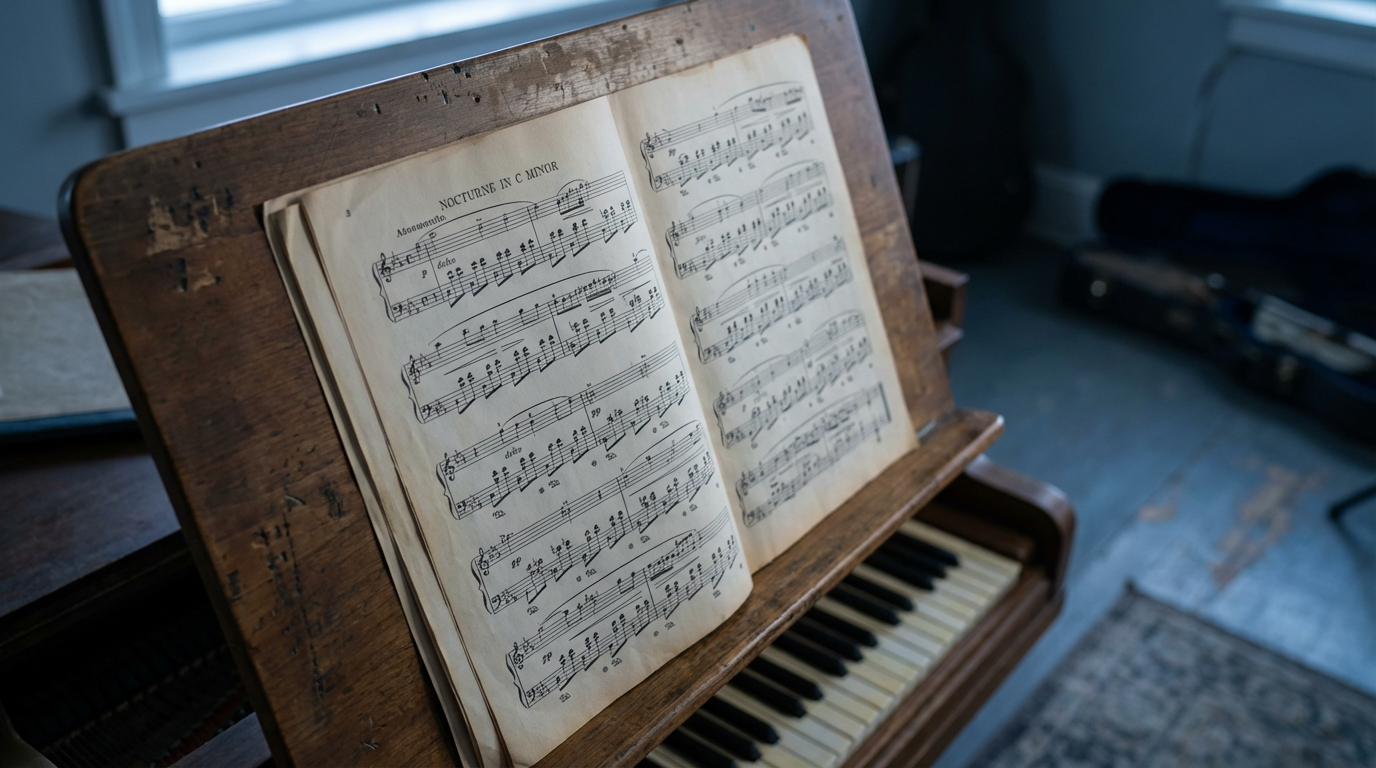
Learning the piano is a gradual process that requires patience and persistence. Many students believe they'll master the instrument in a few months, but the reality is that proficiency takes time. Celebrate small milestones along your journey to stay motivated.
Setting Realistic Goals
One of the most effective ways to progress is by setting achievable goals. Break down your learning into manageable steps, such as mastering a new song or improving your sight-reading skills. This approach keeps you engaged and encourages steady progress.

Myth 3: Reading Music Is Essential
While reading music is a valuable skill, it's not the only way to learn the piano. Many successful pianists play by ear or use chord charts. Explore different methods to find what works best for you, and don't be afraid to experiment with various learning techniques.
Myth 4: You Need an Expensive Piano
Investing in a grand piano is not necessary for beginners. A quality keyboard can be a great starting point. Look for one with weighted keys to mimic the feel of an acoustic piano. As you progress, you can upgrade to a more advanced instrument.
Conclusion: Embrace Your Musical Journey
Don't let these misconceptions hold you back from discovering the joy of playing the piano. Remember, every pianist's journey is unique. Embrace your learning process, stay committed, and enjoy the beautiful music you create.