
Comparing Piano Learning Methods: Traditional vs. Online Courses


Introduction to Piano Learning Methods
Learning to play the piano is a rewarding endeavor that can bring immense joy and satisfaction. With the advent of technology, aspiring pianists now have two primary avenues to explore: traditional lessons and online courses. Each method has its distinct benefits and challenges, making the choice dependent on individual preferences and learning styles.
In this blog post, we will delve into the nuances of both traditional and online piano learning methods to help you make an informed decision.

The Traditional Piano Learning Experience
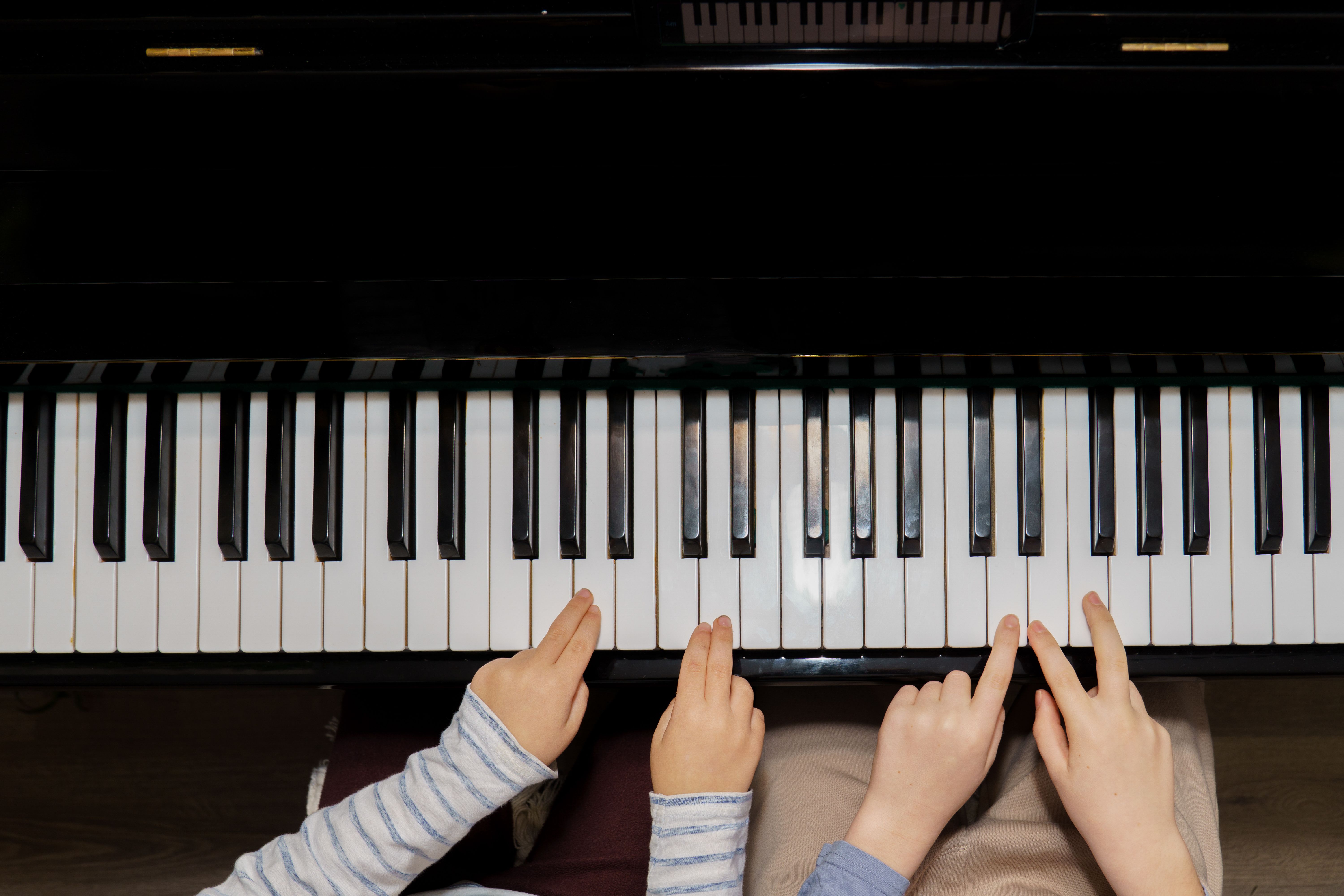
Traditional piano lessons typically involve one-on-one sessions with a qualified instructor. These lessons are often held in music schools or private studios where students can learn in a structured environment. Here are some key aspects of traditional piano learning:
Personalized Instruction
One of the biggest advantages of traditional lessons is the personalized attention students receive. Instructors can tailor lessons to suit the student’s pace, style, and skill level, providing immediate feedback and corrections.
Structured Learning Environment
Having a set schedule and a dedicated learning space can foster discipline and consistency. This structure often helps students stay motivated and progress steadily.
The Rise of Online Piano Courses
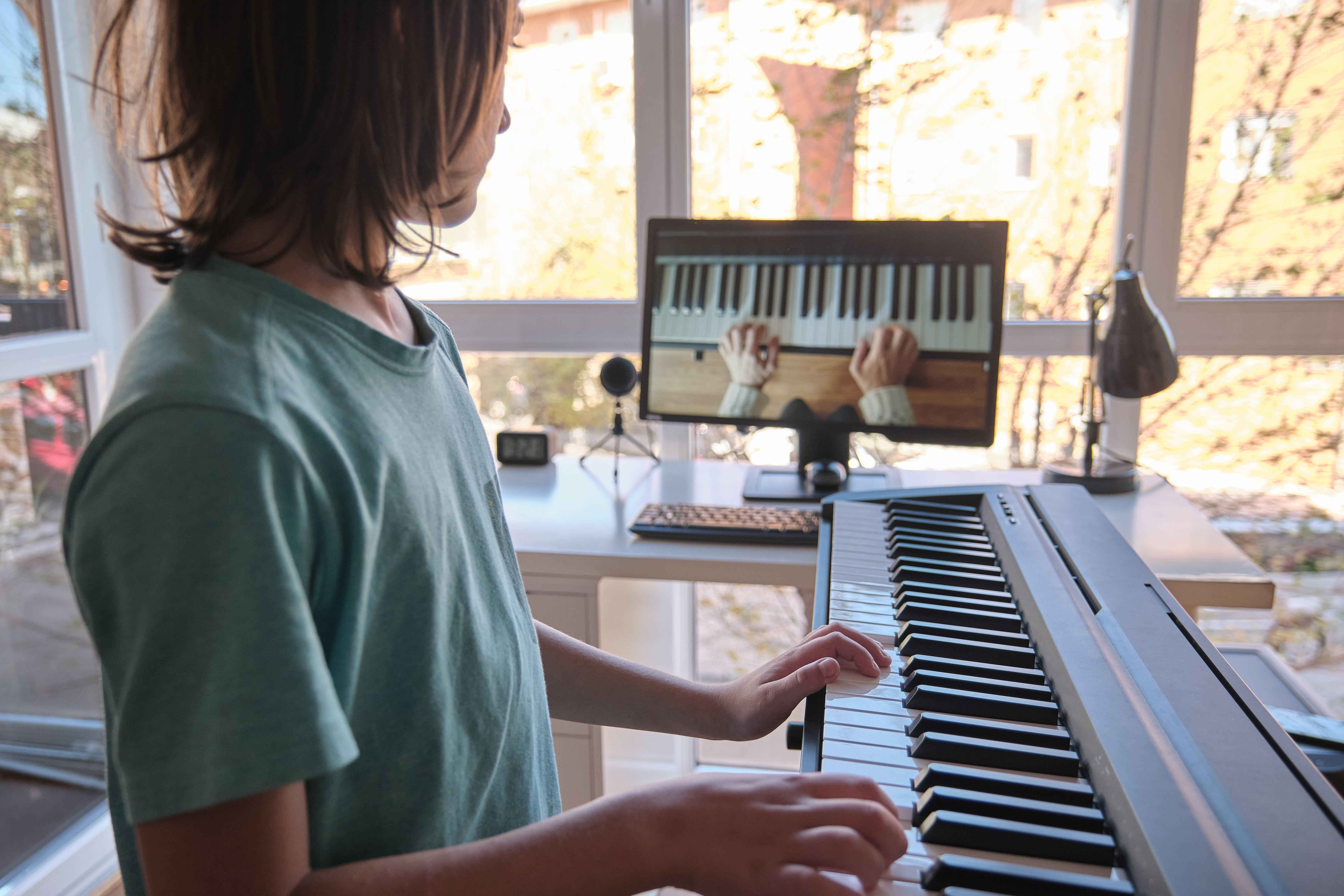
Online piano courses have surged in popularity, offering a flexible and often more affordable alternative to traditional lessons. These courses range from beginner to advanced levels and are accessible from anywhere with an internet connection.
Flexibility and Convenience
Online courses allow students to learn at their own pace, fitting lessons into their schedule without commuting. This flexibility is ideal for those with busy lifestyles or unpredictable routines.
Access to Diverse Resources
With online courses, students have access to a vast array of resources, including video tutorials, interactive apps, and community forums. This variety can enhance the learning experience by providing multiple ways to grasp concepts.
Comparing Costs and Accessibility
When it comes to costs, traditional lessons are generally more expensive due to the personalized nature of instruction and the overheads associated with in-person sessions. In contrast, online courses often offer affordable pricing and even free options, making them accessible to a broader audience.
Accessibility is another crucial factor. While traditional lessons may require travel and adherence to a fixed schedule, online courses can be accessed from anywhere, making them highly convenient for students in remote areas or with mobility challenges.
Conclusion: Choosing the Right Method for You
Ultimately, the choice between traditional and online piano learning methods depends on your personal preferences, goals, and circumstances. If you value structured, personalized instruction, traditional lessons may be the way to go. However, if flexibility, cost, and a plethora of resources are your priorities, online courses could be the perfect fit.
Whichever path you choose, remember that consistency and passion are key to becoming a proficient pianist. Embrace the journey and enjoy the music you create!