
Expert Advice: Choosing the Right Piano for Beginners


Understanding Your Needs
Choosing the right piano for beginners can seem daunting, but understanding your needs is the first step. Are you looking for an acoustic piano to enjoy the traditional sound, or is a digital piano more suitable for your space and budget? Knowing your goals and limitations will guide your decision.
Consider the space available in your home. Acoustic pianos require more room and consideration for acoustics, while digital pianos offer flexibility and compactness. Determine what fits your lifestyle and environment best.

Acoustic vs. Digital Pianos
Acoustic pianos offer rich, resonant sound and a tactile experience that many musicians love. They require regular maintenance, such as tuning, and are generally more expensive. However, their timeless appeal and sound quality are unmatched.
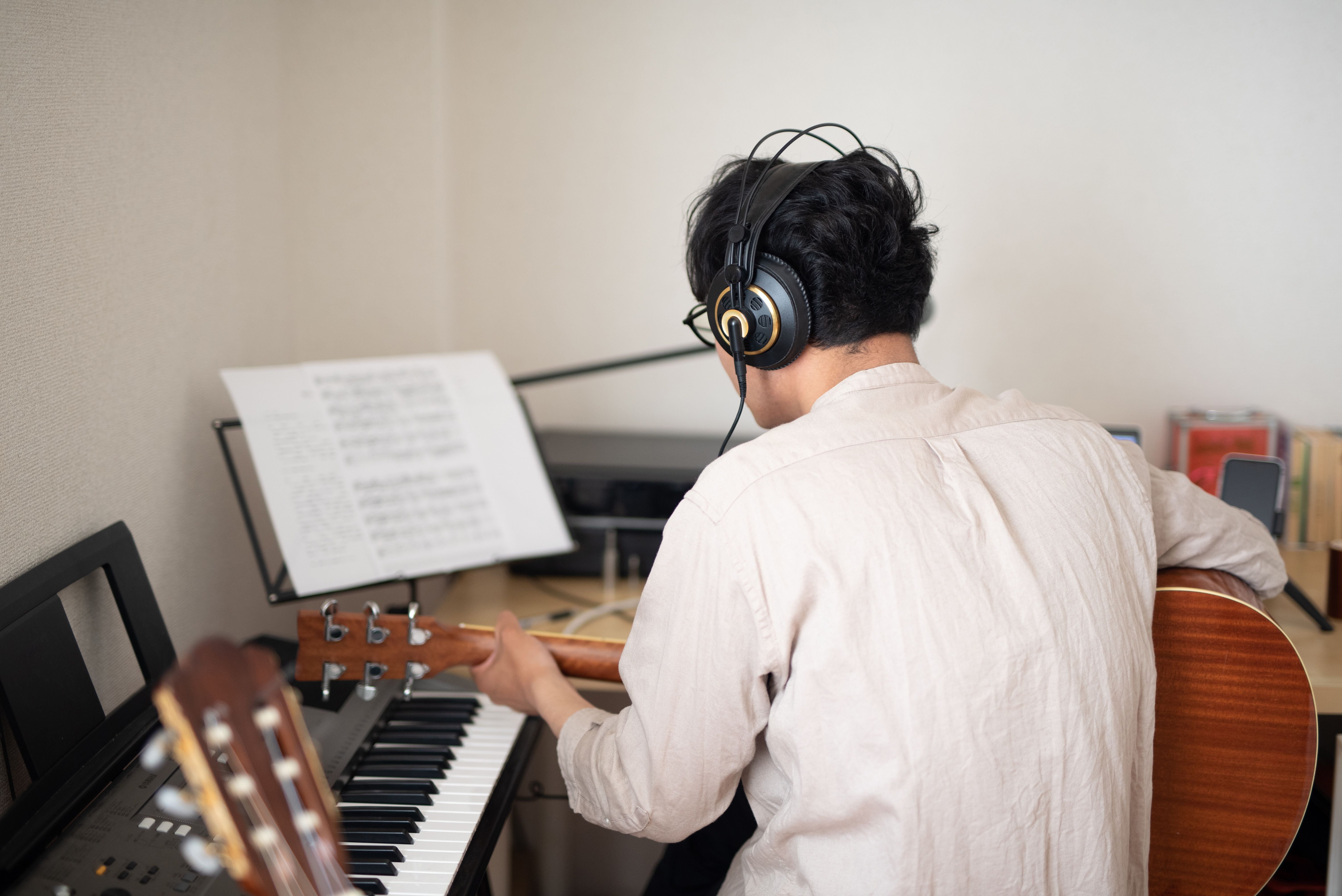
On the other hand, digital pianos provide versatility and ease of use. They often come with features like volume control, headphone inputs, and various sound options, making them ideal for beginners who may need to practice quietly or experiment with different sounds.
Key Considerations for Acoustic Pianos
When opting for an acoustic piano, consider the type: upright or grand. Upright pianos are more space-efficient, while grand pianos offer superior sound quality. Additionally, think about the brand, as reputable manufacturers often provide better quality and longevity.
Key Considerations for Digital Pianos
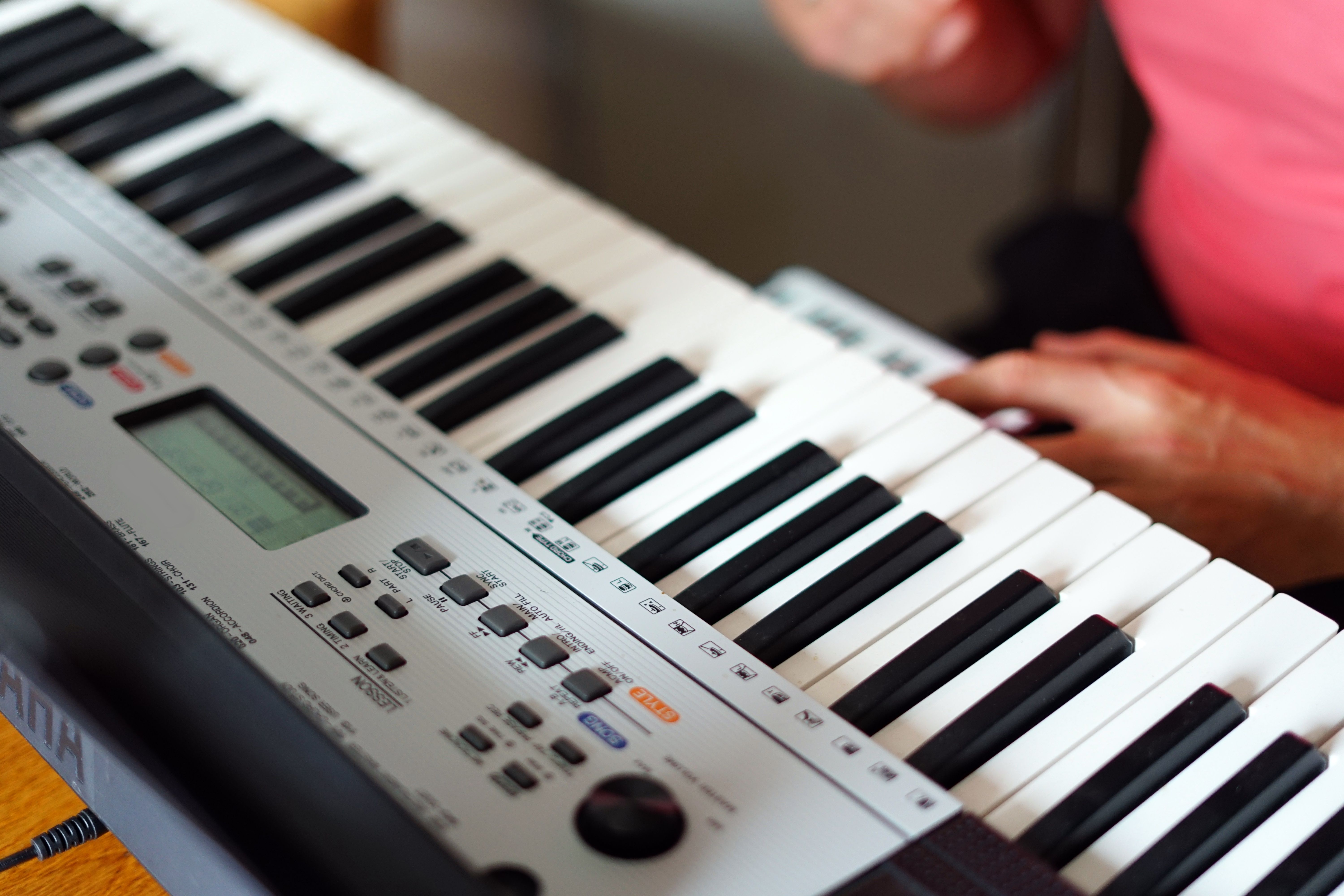
For digital pianos, focus on the number of keys, touch sensitivity, and sound quality. A full-sized keyboard with 88 keys is ideal, but beginners can start with 61 or 76 keys. Ensure the keys are touch-sensitive to mimic the feel of an acoustic piano.
Check for additional features like connectivity options and built-in learning tools. Many digital pianos come with apps and tutorials, which can be beneficial for beginners.
Budgeting for Your Piano
Budgeting is crucial when choosing a piano. Acoustic pianos generally range from a few thousand to tens of thousands of dollars, depending on the brand and model. Digital pianos are often more affordable, with good-quality options available for under a thousand dollars.
Consider purchasing second-hand pianos as a cost-effective option. However, ensure you have it inspected by a professional to avoid hidden issues.
Testing Before Buying
Whether purchasing new or used, test the piano before buying. Play different keys to check for consistency in sound and feel. Listen for any unusual noises and ensure the keys return smoothly after being pressed.
Conclusion
Choosing the right piano for beginners involves understanding your needs, comparing options, and setting a realistic budget. Whether you opt for an acoustic or digital piano, the right choice will inspire and motivate you or your loved ones to enjoy the journey of learning music.
Remember, the piano you choose should feel comfortable and encouraging, setting the stage for a long-lasting musical adventure.