
Expert Advice: Overcoming Common Challenges in Piano Learning


Understanding the Basics
Learning to play the piano is an exciting journey, but it comes with its set of challenges. One of the first hurdles is grasping the basics. It's essential to become familiar with the layout of the keyboard, the notes, and basic music theory. Many beginners feel overwhelmed by the sheer number of keys and notes they need to remember.
To overcome this, start by learning small sections of the keyboard and gradually expand your knowledge. Use mnemonic devices to remember note names and practice regularly to reinforce your understanding.
Developing Finger Dexterity
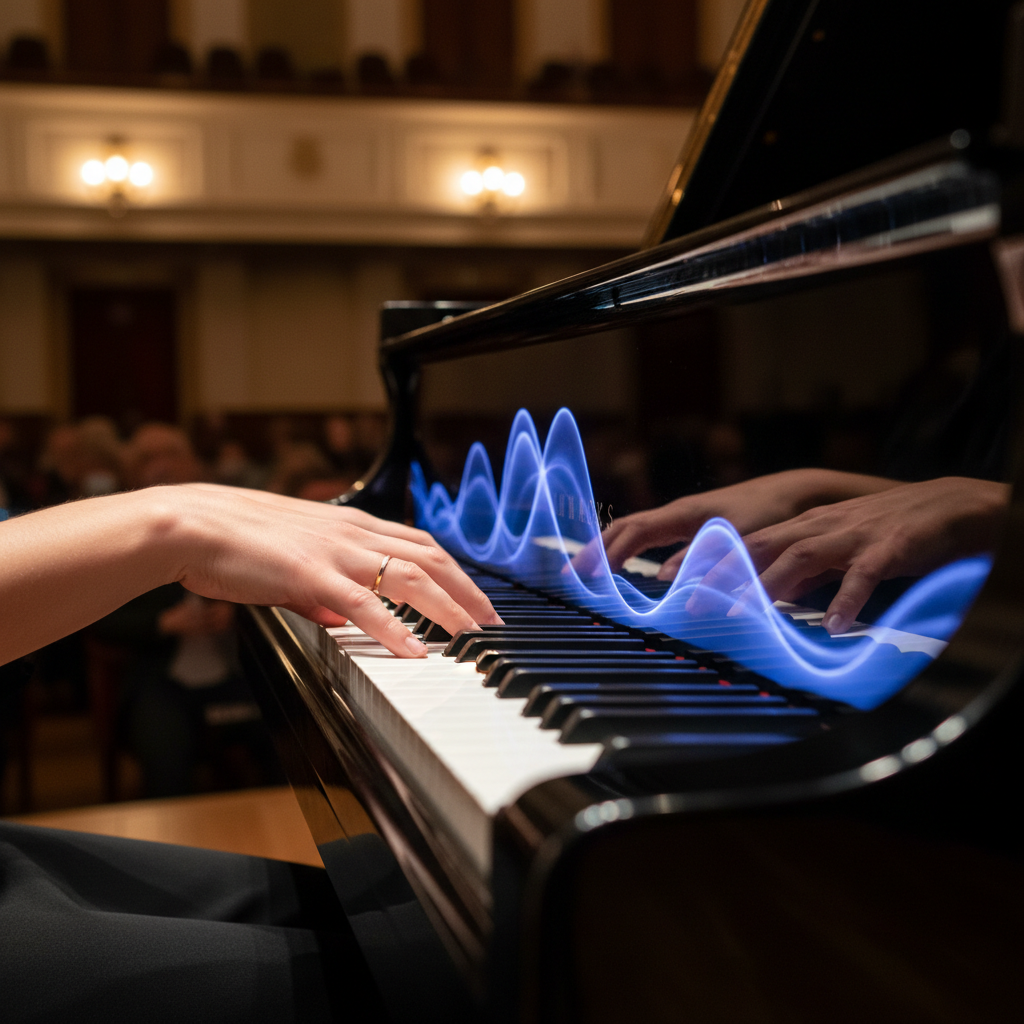
Another common challenge is developing the dexterity and strength in your fingers. This is crucial for playing complex pieces and achieving fluidity in your music. Beginners often struggle with finger independence, which can lead to frustration.
Focusing on finger exercises can significantly improve your skills. Spend a few minutes each day on simple exercises that target individual finger movement. Over time, you'll notice increased agility and strength in your playing.
Maintaining Consistent Practice
Consistency in practice is a hurdle for many aspiring pianists. Life's demands can make it difficult to stick to a regular practice schedule, which can hinder progress. However, setting realistic goals and establishing a practice routine can make a significant difference.

Create a practice schedule that suits your lifestyle. Even short, focused practice sessions can be highly effective. The key is to practice regularly and mindfully, rather than sporadically and without focus.
Dealing with Performance Anxiety
Performance anxiety is a common issue that affects many pianists, from beginners to seasoned players. The pressure to perform perfectly can be paralyzing, leading to mistakes and a loss of confidence.
To combat performance anxiety, prepare thoroughly and focus on your breathing during performances. Visualization techniques can also help; imagine yourself playing successfully in front of an audience to build confidence.

Understanding Music Theory
Music theory can seem daunting at first, but it is an essential component of piano learning. It helps you understand the structure of music and improves your ability to read sheets and compose.
Start with the basics, such as scales, chords, and key signatures. Use online resources or consider taking a theory class to deepen your understanding. With time, music theory will become a valuable tool in your piano journey.
Conclusion
While the path to mastering the piano is fraught with challenges, each obstacle presents an opportunity for growth and learning. By tackling these common challenges with patience and dedication, you'll find yourself making remarkable progress. Remember, every pianist faces these hurdles, and overcoming them is part of the rewarding journey of becoming a skilled musician.