
Expert Tips for Improving Piano Skills at Any Age


Understanding the Basics
Whether you're a beginner or returning to the piano after years away, understanding the basics is crucial. Start by familiarizing yourself with the keyboard layout, including the names of the keys and their corresponding notes. This foundational knowledge will set the stage for more complex skills.

It's also important to develop proper hand positioning. Ensure your wrists are relaxed, and your fingers gently curve over the keys. This will help prevent strain and improve your playing efficiency. Regular practice with scales and arpeggios can reinforce these basic techniques.
Setting Realistic Goals
Setting realistic goals is key to maintaining motivation. Break down larger objectives into smaller, manageable tasks. For example, aim to master a simple piece of music before tackling more challenging compositions.
Using a practice schedule can also be beneficial. Dedicate specific times each week to practice, and track your progress. This structured approach can help you stay committed and see tangible improvements over time.

Incorporating Effective Practice Techniques
Effective practice techniques can significantly enhance your skills. One method is to practice slowly and deliberately, focusing on accuracy over speed. Gradually increase the tempo as you become more comfortable with the piece.
Another technique is to isolate difficult sections. Spend extra time on challenging passages, playing them repeatedly until they become second nature. This targeted approach can accelerate your overall progress.
Exploring Different Musical Styles
Exploring different musical styles can keep your practice sessions interesting and expand your musical knowledge. Experiment with genres such as classical, jazz, or pop to discover what resonates with you.
Playing a variety of music can also improve your versatility as a pianist. It exposes you to different rhythms, harmonies, and techniques, ultimately enriching your overall playing experience.
Seeking Guidance and Feedback
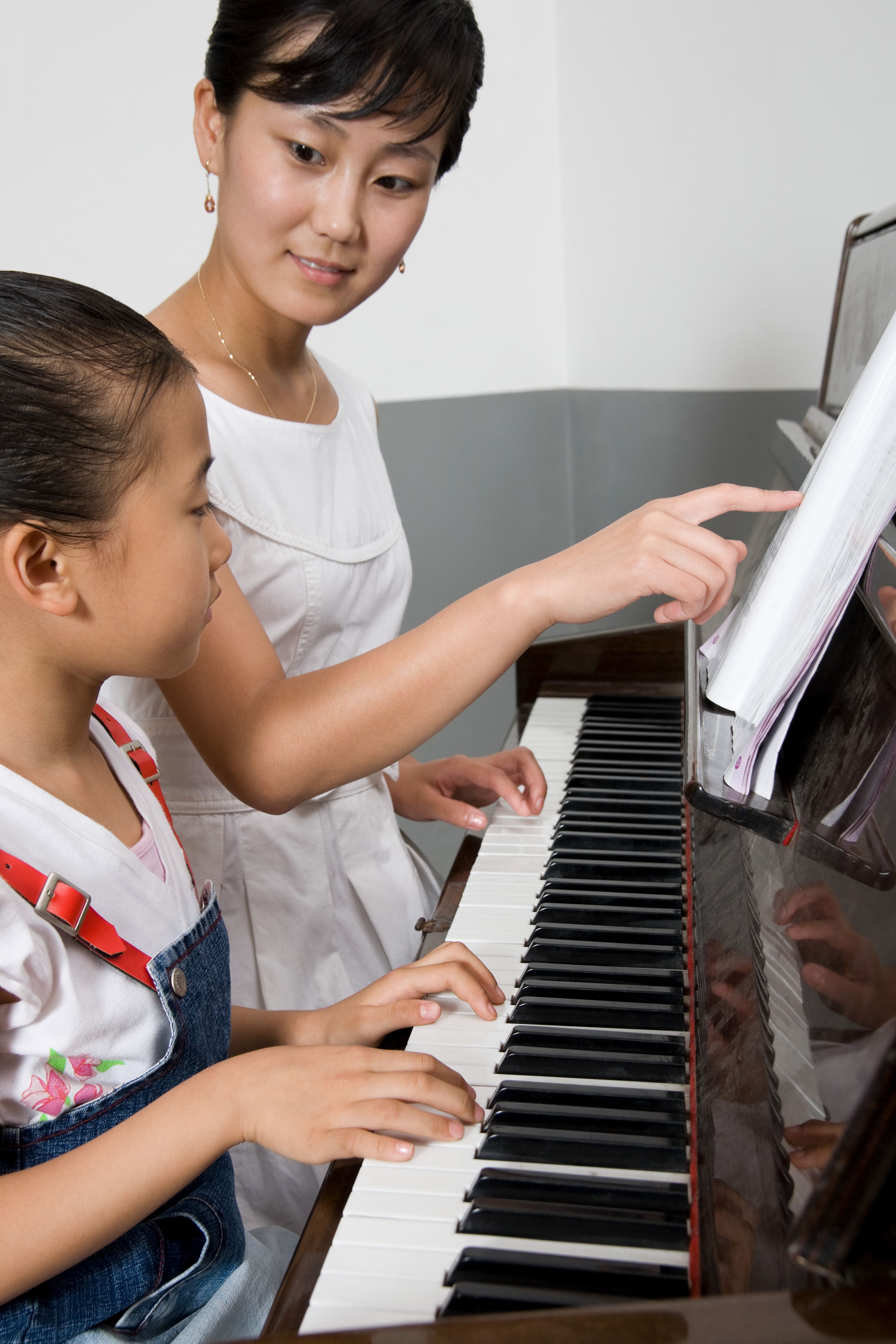
Don't underestimate the value of guidance and feedback. Consider taking lessons from a qualified piano teacher who can provide personalized instruction and constructive criticism. This can help you correct mistakes and develop good habits.
If formal lessons are not an option, online tutorials and community forums can also offer valuable insights. Engaging with other pianists can provide encouragement and new perspectives on your playing.
Embracing a Lifelong Learning Attitude
Remember, improving your piano skills is a lifelong journey. Embrace a mindset of continuous learning and curiosity. Celebrate small victories, and don't be discouraged by setbacks.

Regardless of age, the joy of playing the piano lies in the journey itself. Keep exploring, practicing, and growing as a musician, and you'll find immense satisfaction and fulfillment in your musical endeavors.