
How to Prepare for Your First Piano Lesson: Tips from William's Piano Studio


Getting Started with Confidence
Embarking on your musical journey with your first piano lesson is an exciting experience. At William's Piano Studio, we believe in making this transition as smooth and enjoyable as possible. Whether you're a complete beginner or brushing up on your skills, here are some essential tips to ensure you're well-prepared for your first lesson.
Familiarize Yourself with the Basics
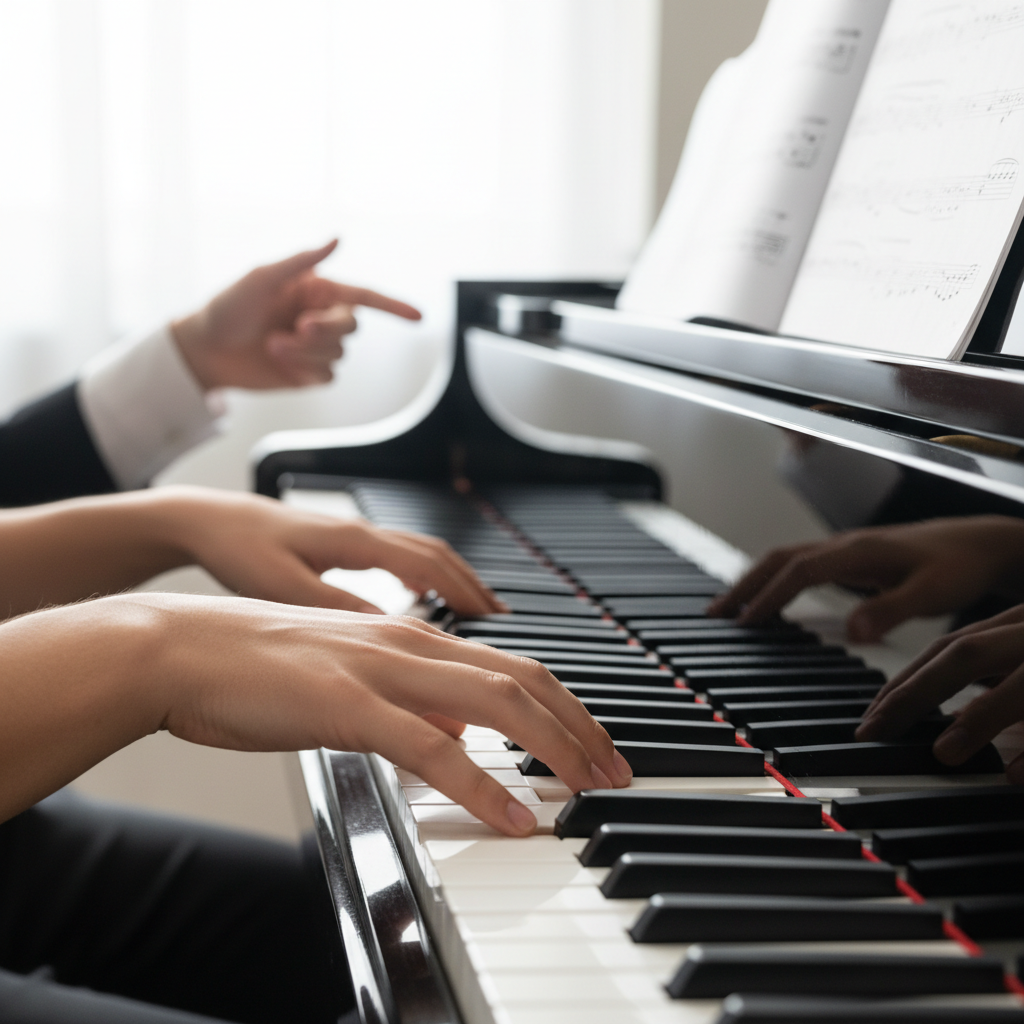
Before your lesson, it's beneficial to have a basic understanding of the piano. Spend some time getting to know the keyboard layout. Identify the middle C and understand the pattern of black and white keys. This foundational knowledge will help you feel more comfortable during your lesson.
Set Clear Goals
Think about what you want to achieve from your piano lessons. Are you aiming to play for personal enjoyment, or do you have aspirations to perform? Setting clear goals will allow your instructor to tailor the lessons to suit your needs and help you stay motivated.
Preparing Your Practice Space
Having a dedicated space for practice is crucial. Ensure your piano or keyboard is positioned at a comfortable height and that the area is free from distractions. A well-organized practice space can significantly enhance your focus and productivity.
Gather Necessary Materials
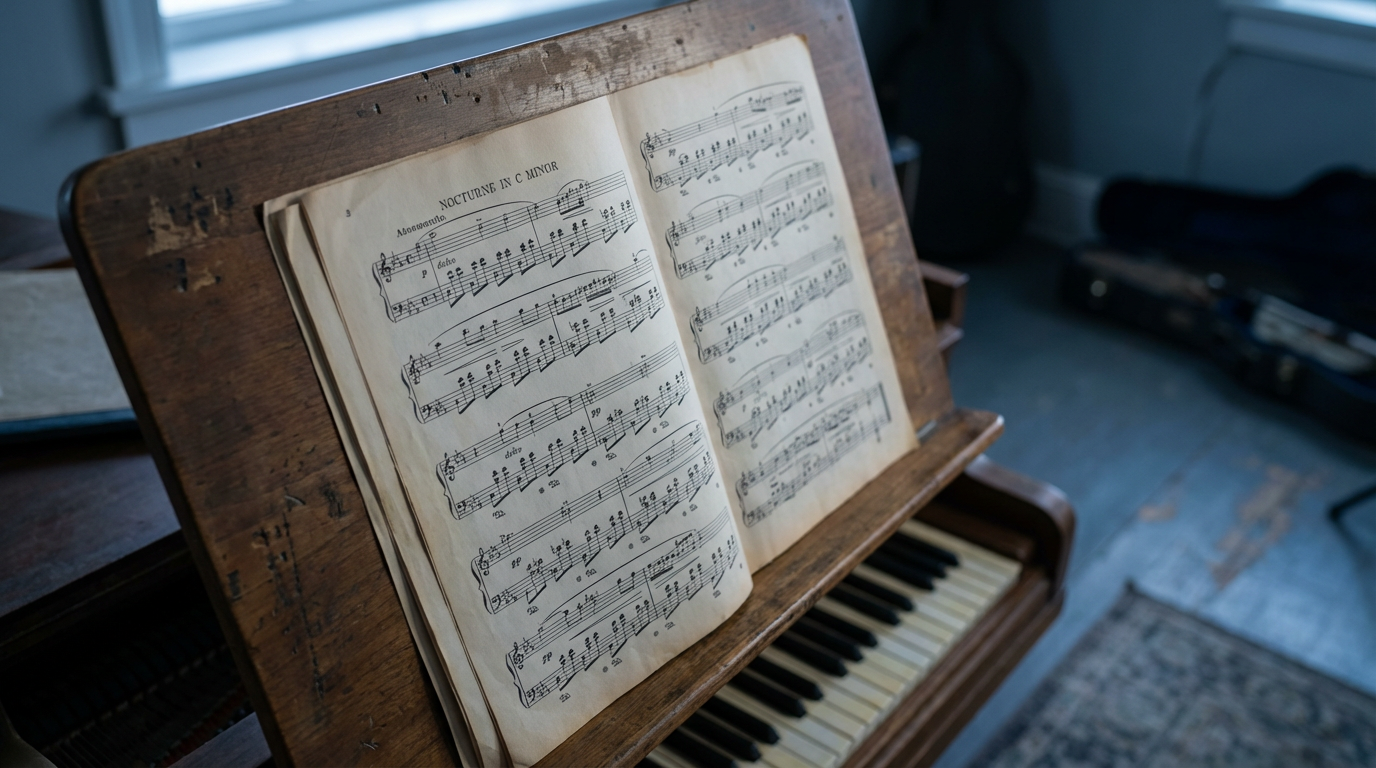
Make sure you have all the necessary materials ready before your lesson. This typically includes a notebook for jotting down notes, a metronome to help with timing, and any assigned sheet music. Being prepared with these tools will allow you to make the most of your lesson time.
Prepare Mentally and Physically
Approach your first lesson with an open mind and a positive attitude. Remember, learning a new instrument is a gradual process. It's normal to make mistakes, and each one is an opportunity to learn and grow. Stay patient and enjoy the journey.
Warm Up Your Fingers
Just like any physical activity, it's important to warm up before playing the piano. Simple finger exercises can help loosen your fingers and improve dexterity. This preparation will make playing more comfortable and reduce the risk of strain.
Communicate with Your Instructor
Your instructor is there to guide you, so don't hesitate to ask questions or express any concerns you might have. Open communication will help you get the most out of your lessons and build a strong student-teacher relationship.
Reflect on Your Progress
After your lesson, take some time to reflect on what you've learned. Practice regularly and review any feedback provided by your instructor. Consistent practice is key to improvement and will help you achieve your musical goals more effectively.