
The Benefits of Choir and Vocal Training for Piano Students


Introduction to Choir and Vocal Training
Many piano students focus solely on honing their skills at the keyboard, often overlooking the benefits of choir and vocal training. Engaging in vocal activities can significantly enhance a pianist’s overall musicality and understanding. Choir and vocal training offer unique opportunities that complement piano practice in surprising ways.

Developing a Stronger Sense of Pitch
One of the primary advantages of vocal training for piano students is the development of a stronger sense of pitch. Singing requires accurate pitch production, which helps students improve their ear for music. This skill translates directly to better intonation and tuning when playing the piano.
Furthermore, participating in a choir helps reinforce this skill. Choir members must harmonize and maintain pitch with others, enhancing their ability to hear and reproduce different notes accurately. This exposure to varied musical lines can be invaluable for pianists who often play complex pieces with multiple voices.
Enhancing Rhythmic Precision
Choir participation also aids in enhancing rhythmic precision. Singers must adhere to strict rhythmic structures to maintain harmony and stay in sync with their fellow choristers. This practice encourages pianists to pay closer attention to rhythm and timing, crucial skills for any musician.

By practicing rhythm through singing, piano students can improve their ability to keep steady tempo, anticipate changes, and understand the flow of musical pieces. Such skills are transferable to piano playing, where precise timing is essential.
Boosting Confidence and Stage Presence
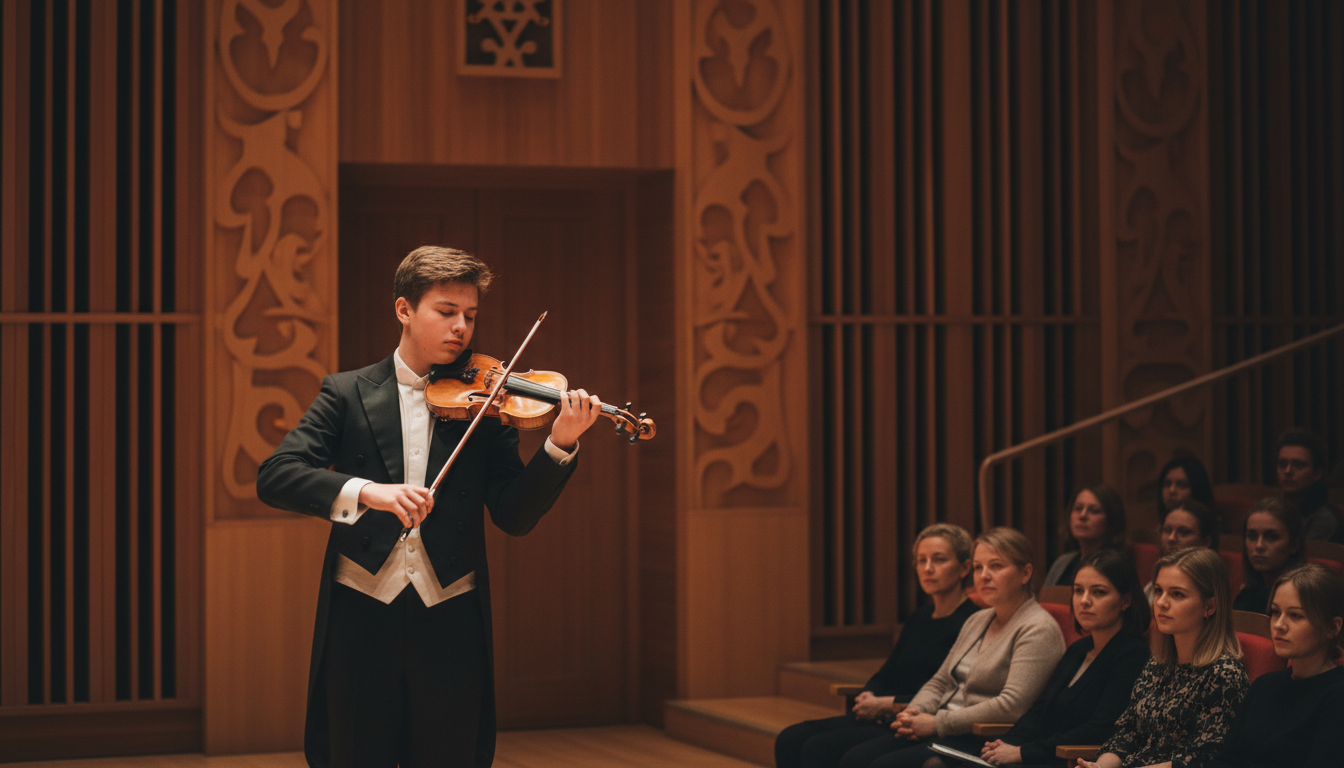
Performing in a choir provides piano students with opportunities to build confidence and develop stage presence. Singing in front of an audience, whether in a choir or solo, helps students overcome performance anxiety. These experiences teach them how to connect with an audience and convey emotions through music.
- Increased self-assurance during performances
- Improved ability to express musical ideas
- Enhanced communication skills with audiences
Fostering a Deeper Understanding of Musical Structure
Choir and vocal training also foster a deeper understanding of musical structure. Singing exposes students to various musical forms and styles, broadening their appreciation for different genres. This exposure helps piano students recognize patterns and structures within the music, aiding in their interpretation and execution of piano pieces.
Through vocal training, students gain insight into phrasing, dynamics, and articulation—elements that are crucial for expressive piano playing. Understanding these aspects allows pianists to bring greater depth and nuance to their performances.
Conclusion: A Harmonious Partnership
Incorporating choir and vocal training into a piano student's routine offers numerous benefits that enhance their musical journey. From improving pitch and rhythm to boosting confidence and musical understanding, the skills gained from singing are invaluable. By embracing this harmonious partnership, piano students can elevate their musicianship to new heights.