
The Benefits of Choir and Vocal Training Sessions for Piano Students


Introduction to the Benefits
Many piano students focus solely on honing their skills at the keyboard, often overlooking the complementary benefits of engaging in choir and vocal training sessions. These activities offer a range of advantages that can enrich a pianist's musical journey. By exploring vocal techniques and ensemble singing, piano students can gain a deeper understanding of music and improve their overall musicianship.
Enhancing Musical Ear
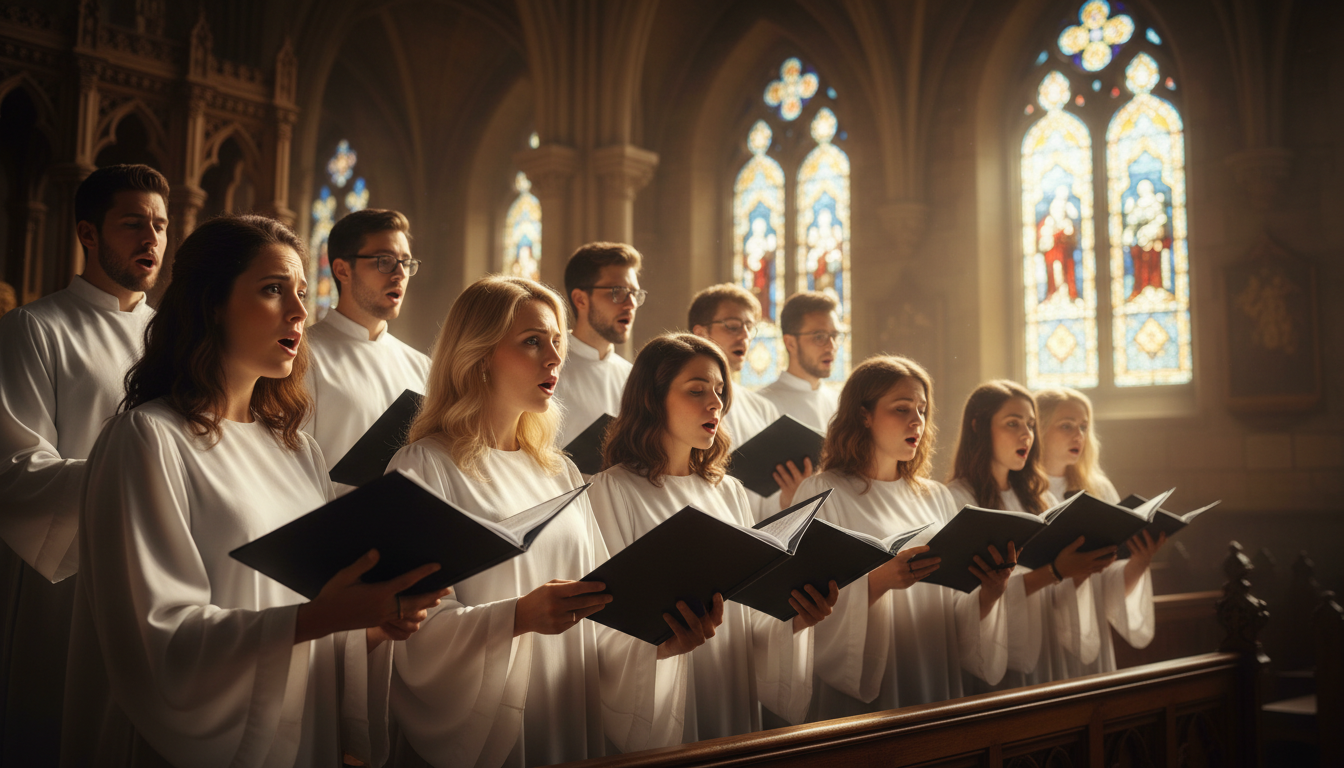
Participating in choir helps piano students develop a more refined musical ear. In a choir, students are exposed to various harmonies and melodies, learning to discern different vocal parts. This improved aural awareness translates to better pitch recognition and tuning when playing the piano, enabling students to play more expressively and accurately.
Understanding Harmony
Choir participation allows students to experience harmony in a practical setting. Singing alongside others teaches them how different notes and chords interact, broadening their understanding of harmonic structures. This insight is invaluable for pianists, as it enhances their ability to interpret and perform complex pieces.
Improving Rhythm and Timing
Vocal training sessions emphasize the importance of rhythm and timing, skills that are equally crucial for piano students. Singing requires precise timing to stay in sync with the choir, fostering a stronger sense of rhythm. This rhythmic precision benefits pianists by helping them maintain a steady tempo and execute complex rhythmic patterns with ease.
Coordination and Ensemble Skills
Being part of a choir encourages collaboration and coordination. Piano students learn to listen and adjust their singing to blend with others, a skill that translates well to ensemble playing. This experience enhances their ability to work with other musicians, whether in duets or larger ensembles.

Building Confidence and Stage Presence
Choir and vocal training sessions provide students with opportunities to perform in front of audiences, building their confidence and stage presence. These experiences are invaluable for pianists, who often perform solo or in small groups. Developing a strong stage presence can significantly enhance a pianist's performance quality and audience engagement.
Expressive Techniques
Vocal training encourages students to explore different expressive techniques, such as dynamics and phrasing. These skills are directly applicable to piano playing, allowing students to convey emotion and nuance in their performances, making their music more compelling and memorable.
Conclusion: A Holistic Musical Education
Incorporating choir and vocal training into a piano student's education offers a well-rounded approach to musical development. These activities not only enhance technical skills but also foster a deeper connection to music, ultimately producing more versatile and expressive musicians. By embracing these opportunities, piano students can unlock their full potential and enrich their musical journey.